Commute Patterns and Mobile Casino Session Lengths: Examining the Data Connections
Yves Albrecht · Jul 2, 2026
Commute Patterns and Mobile Casino Session Lengths: Examining the Data Connections
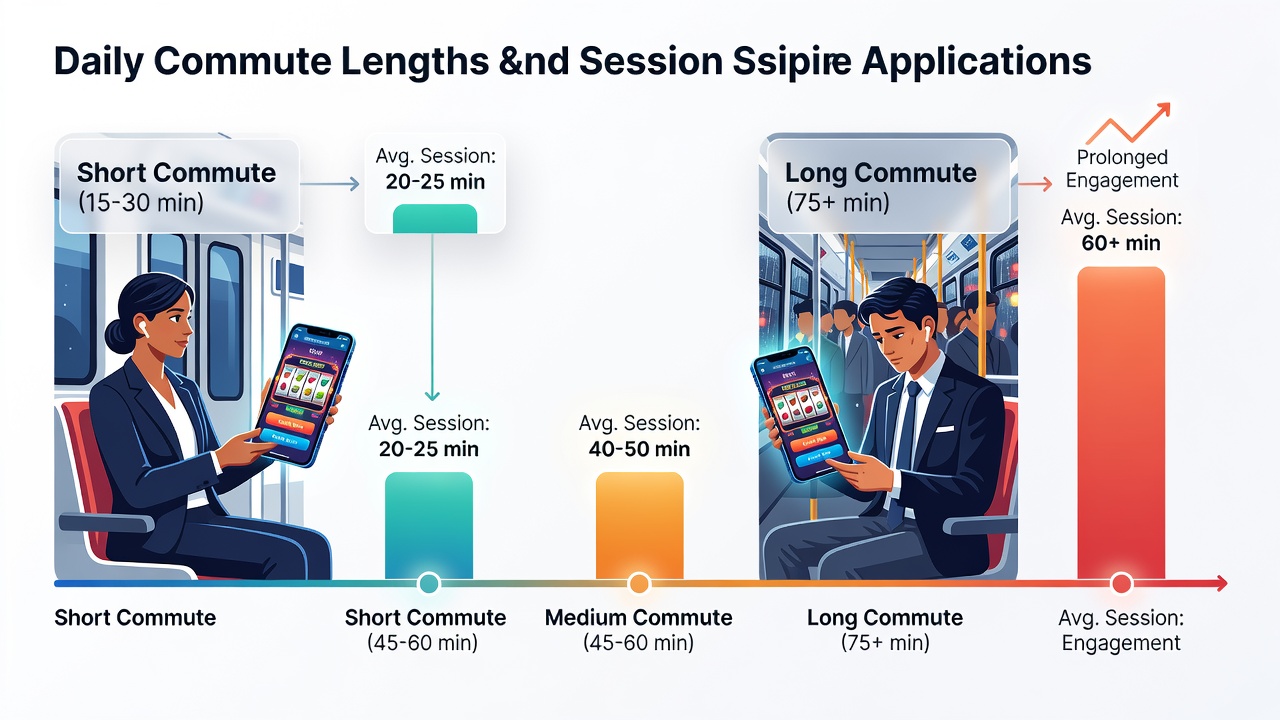
Daily travel times have shifted noticeably in many urban centers, and researchers continue to track how these patterns intersect with mobile application usage in regulated gaming sectors. Data from transportation authorities shows average one-way commutes in major metropolitan areas often exceed 30 minutes, with some regions reporting figures closer to 45 minutes during peak hours. These extended periods create windows where individuals turn to smartphones for entertainment, including casino-style applications available on licensed platforms.
Transportation Data and Usage Windows
Figures released by the US Department of Transportation in early 2026 indicate that roughly 17 percent of American workers face commutes longer than 45 minutes each way, a trend that holds steady across several states with established mobile gaming regulations. Observers note that public transit riders in cities like New York and Chicago log higher screen time during these trips compared to drivers, since hands-free options remain limited behind the wheel. Mobile casino applications record session starts that cluster around morning and evening rush periods, according to aggregated platform metrics shared in industry reports.
Canadian statistics from Statistics Canada reveal similar patterns, where average commute durations in Toronto and Vancouver hover near 35 minutes, correlating with increased app engagement on buses and trains. Those who study digital behavior patterns point out that longer journeys allow for more sustained interaction, while shorter trips often result in brief check-ins lasting under five minutes.
Session Duration Trends in Mobile Platforms
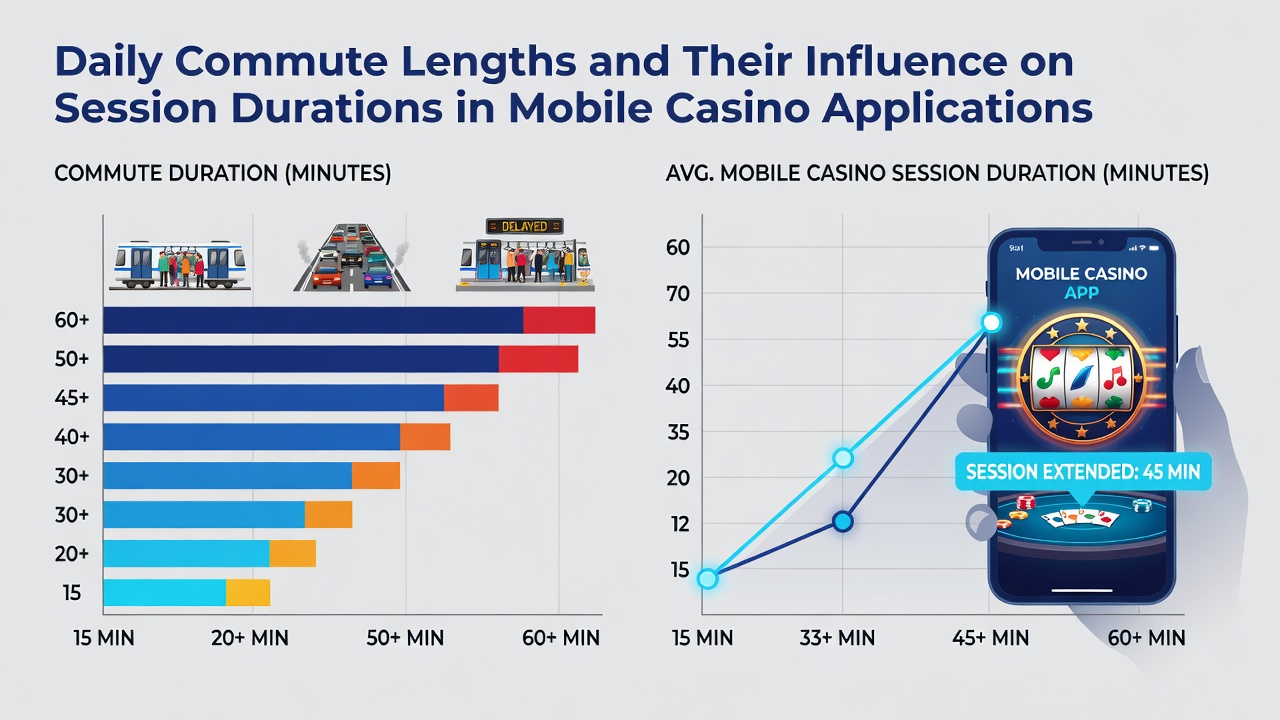
Platform analytics from operators in regulated markets demonstrate that sessions initiated during commute hours tend to run 12 to 18 minutes on average, compared to 8 minutes for sessions started at home during evening hours. This difference appears in data collected across multiple jurisdictions where mobile casino access requires age verification and geolocation compliance. Researchers tracking user behavior have documented that passengers on longer routes complete more game rounds per session, particularly in slots and instant-win formats that require minimal setup.
European transport studies compiled by the European Environment Agency highlight how rail commuters in Germany and France, facing average trips of 40 minutes, show elevated interaction rates with mobile entertainment apps during these intervals. The same datasets suggest that session lengths adjust downward when connectivity drops in tunnels or rural stretches, prompting users to pause and resume later.
Regional Variations and Platform Adjustments
Australian Bureau of Infrastructure data from mid-2026 reports that Sydney and Melbourne commuters average 38 minutes daily, with mobile gaming sessions showing distinct spikes on routes exceeding 30 minutes. Operators in these markets have introduced features such as offline mode previews and quick-resume options that align with intermittent connectivity common on certain rail lines. Figures from the Australian Communications and Media Authority confirm rising downloads of casino applications among transit users, though total session volumes remain tied to license requirements that restrict play to approved geographic zones.
In July 2026, several North American operators released updated dashboards that break down session timing by detected movement speed, revealing that sessions flagged as occurring at transit velocities last longer than those initiated while stationary at home. These tools help platforms refine responsible gaming prompts that activate after set durations, regardless of location.
Factors Influencing Engagement Length
Multiple elements beyond commute length affect how long users remain active. Battery levels, data caps, and ambient noise all play documented roles, as noted in academic papers from transport psychology researchers at universities in Sweden and Japan. One analysis of anonymized app logs found that users on commutes with reliable Wi-Fi maintained sessions 22 percent longer than those relying on cellular signals alone.
Platform designers respond by optimizing loading times and minimizing data usage, adjustments that appear in release notes from major providers operating under state licenses in the US and provincial frameworks in Canada. Shorter commutes often coincide with higher rates of session abandonment mid-game, while extended trips allow completion of bonus rounds or tournament entries.
Conclusion
Available datasets establish measurable links between daily travel durations and mobile casino session characteristics across regulated markets. Transportation statistics paired with platform metrics continue to supply the evidence base for these observations, with updates expected as new commuting patterns emerge in coming quarters.