Decoding Cryptocurrency Volatility Impacts on Deposit Timing in Niche Digital Gaming Platforms
Cameron Albrecht · May 30, 2026
Decoding Cryptocurrency Volatility Impacts on Deposit Timing in Niche Digital Gaming Platforms
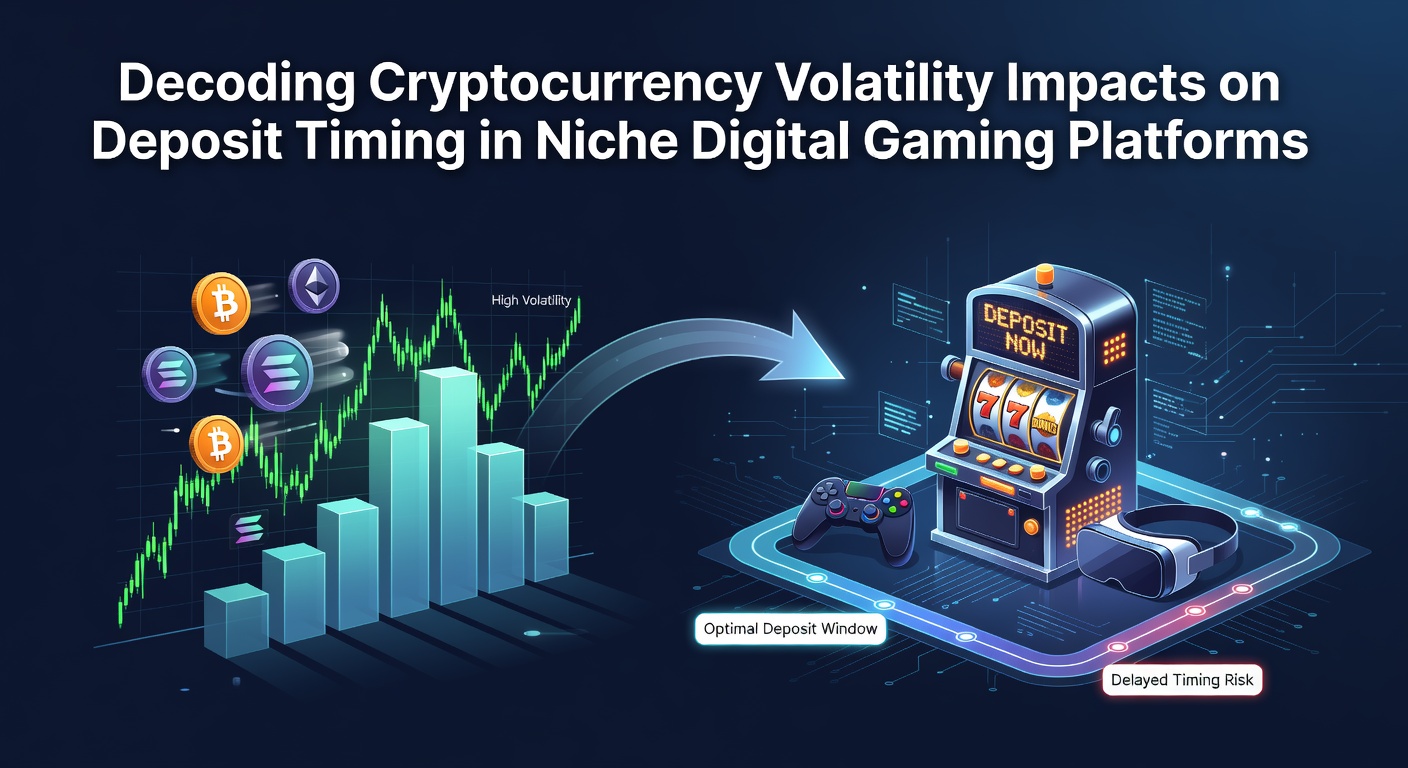
Cryptocurrency markets have shown repeated swings throughout 2026, and these movements directly shape how players time their deposits on smaller digital gaming sites that rely on digital assets for transactions. Platforms focused on specialized games such as niche card variants or emerging virtual environments often see deposit volumes shift within hours of major price changes in assets like Bitcoin and Ethereum, according to blockchain analytics firms tracking transaction data. Observers note that rapid upward moves tend to trigger immediate funding activity while downward corrections lead users to pause and wait for stabilization before committing funds.
Patterns in Market Movements and Funding Activity
Data from early 2026 reveals that periods of high volatility, defined as daily price changes exceeding 5 percent, correlate with altered deposit rhythms on these platforms. Researchers tracking wallet addresses linked to gaming services found that inflows increased by measurable margins during rallies, whereas sell-offs prompted extended holding periods before new deposits occurred. Those who monitor transaction ledgers point out that users frequently align their activity with short-term price momentum rather than long-term holdings, creating predictable yet variable patterns across different asset classes.
Platforms operating in this space have adjusted their systems to accommodate these behaviors, implementing features that display real-time exchange rates alongside deposit options. This setup allows players to execute transfers when conversion values reach favorable levels, reducing the impact of sudden drops that can erode intended deposit amounts. Industry reports compiled in the first quarter of 2026 documented a rise in the use of automated timing tools, where users set parameters to trigger deposits only after specific price thresholds were met.
Operational Adjustments on Specialized Platforms
Niche operators face distinct challenges compared with larger mainstream sites because their user bases often consist of dedicated participants who favor particular game formats and maintain smaller but more frequent funding cycles. Volatility can strain liquidity management, as sudden surges in deposits during favorable price movements require rapid conversion to stable reserves, while delays during downturns affect cash flow for prize pools and operational costs. Several platforms introduced dynamic fee structures in response, adjusting transaction charges based on prevailing market conditions to maintain steady participation rates.
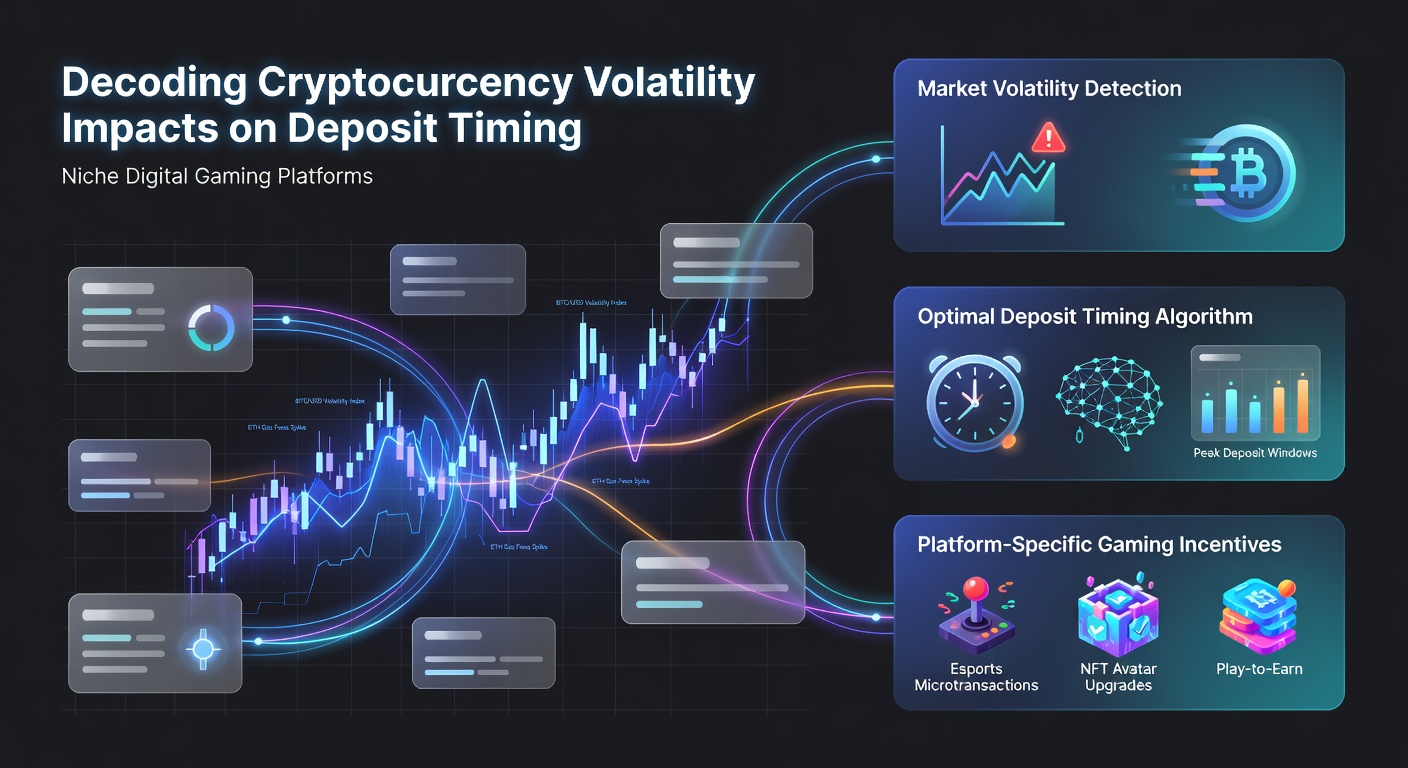
Figures released by analytics providers in May 2026 indicated that average deposit sizes on these specialized sites fluctuated in tandem with broader market indices, with smaller assets experiencing more pronounced effects due to thinner trading volumes. Operators have responded by diversifying accepted cryptocurrencies and incorporating stablecoin options that dampen some of the timing pressures. This approach has allowed continued engagement even when major assets show extended swings, as users shift toward less volatile alternatives during uncertain periods.
Observed User Strategies Across Regions
Players on these platforms have developed routines that factor in volatility forecasts, often monitoring multiple exchanges before finalizing transfers. In regions where regulatory frameworks emphasize consumer protection, such as those overseen by Canadian provincial authorities and Australian state gaming bodies, additional disclosure requirements have prompted platforms to provide volatility alerts within their interfaces. European operators, drawing from guidance issued by bodies like the Malta Gaming Authority, have integrated similar notifications that highlight potential conversion risks at the moment of deposit.
Academic examinations of transaction data, including work from research teams at institutions studying fintech applications, demonstrate that timing decisions frequently cluster around key market events such as regulatory announcements or macroeconomic releases. These clusters produce measurable spikes in activity on niche sites, where smaller user pools amplify the visibility of coordinated movements. Platforms have begun logging these events internally to refine their risk models and anticipate liquidity needs more accurately.
Integration of External Data Sources
Access to reliable pricing information has become central to deposit timing on these platforms, with many embedding feeds from established market data providers directly into user dashboards. This integration reduces the lag between price observation and transaction execution, allowing participants to act on current valuations rather than delayed updates. Reports from organizations such as the Bank for International Settlements have outlined how such real-time tools influence broader digital asset usage patterns in entertainment sectors, including gaming environments.
Further analysis from university-led studies on blockchain applications shows that volatility effects extend beyond individual deposits to influence overall platform retention metrics, as users who time entries poorly may reduce future activity. Operators address this through educational resources embedded in their systems that explain basic market indicators without offering directional advice. These materials draw from aggregated historical data rather than predictions, helping users understand the mechanics of timing without prescribing specific actions.
Conclusion
Volatility in cryptocurrency markets continues to intersect with deposit practices on niche digital gaming platforms through measurable shifts in timing and volume, driven by price movements and supported by evolving platform tools. Data collected through 2026, including observations from May, confirms that these dynamics prompt both operational adaptations by providers and behavioral adjustments by users across multiple regulatory jurisdictions. Continued monitoring of transaction patterns and integration of stable mechanisms remain central to how these specialized environments manage ongoing market fluctuations.