Desert Highway Expansions Reshape Overnight Stays at Remote Southwest Casino Outposts
Ulrich Walter · Aug 18, 2026
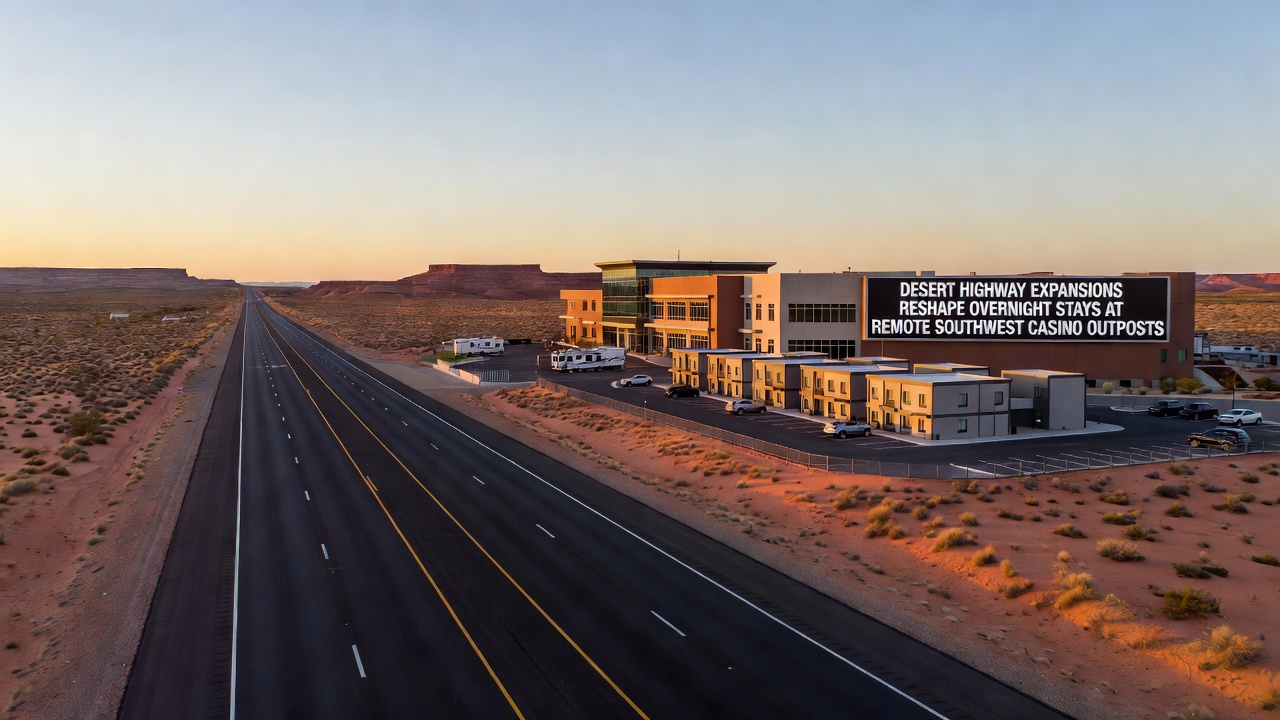
Desert Highway Expansions Reshape Overnight Stays at Remote Southwest Casino Outposts
Highway infrastructure projects across the Southwest have accelerated in 2026, and data from state transportation departments shows measurable shifts in visitor patterns at isolated casino properties in Nevada, Arizona, and New Mexico. Travelers who once planned overnight stops now complete longer drives in single sessions because improved road segments reduce travel times between major population centers and these outposts. Federal Highway Administration records indicate that several key desert corridors received widening and resurfacing work completed by mid-2026, which altered the calculus for both leisure and business visitors.
Travel Time Reductions Drive Behavioral Shifts
Observers tracking visitor data note that average drive durations from Phoenix to certain remote Nevada border casinos dropped by 45 minutes on newly expanded routes, while similar gains appeared on stretches connecting Albuquerque to tribal gaming facilities in northern Arizona. These changes coincide with increased daily vehicle counts reported by the Nevada Department of Transportation in August 2026, yet overnight occupancy figures at several casino hotels declined during the same period. Researchers at the University of Nevada, Las Vegas documented the pattern through hotel registry analysis and found that day-trip frequency rose while multi-night stays fell among regional drive-in markets.
Construction crews finished the final phases of Interstate 15 widening near Mesquite, Nevada, in July 2026, and traffic sensors installed by the state immediately registered higher volumes during evening hours. Casino operators in the area reported that guests who previously booked rooms now depart after dinner service instead, because the improved pavement and added lanes allow safer nighttime travel back to southern California. Similar outcomes emerged along U.S. Route 93 between Kingman, Arizona, and the Colorado River gaming destinations, where the Arizona Department of Transportation completed median barrier upgrades and shoulder expansions earlier that year.
Regional Data Patterns Emerge in August 2026
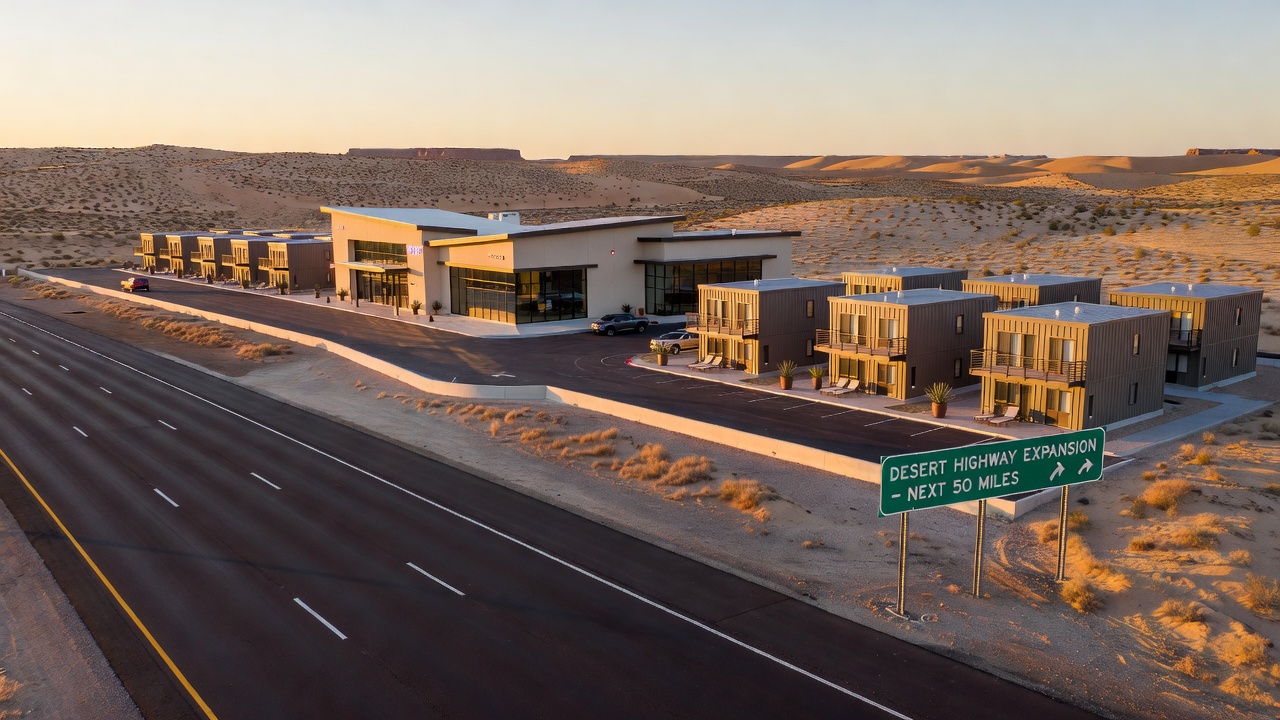
Figures compiled by the New Mexico Department of Transportation reveal that traffic on expanded segments of Interstate 40 near Gallup increased 19 percent year-over-year through August 2026, while hotel room nights at nearby tribal casinos slipped 8 percent during the same window. Analysts attribute part of the divergence to faster east-west connectivity that lets visitors from the Texas panhandle reach properties and return home without overnight stops. One study conducted by transportation researchers at Arizona State University examined license plate data at casino parking lots and confirmed that out-of-state plates now turn over more rapidly on weekends than they did before the highway work began.
Property managers at several remote locations have adjusted marketing calendars in response, shifting emphasis toward midweek packages and longer-stay incentives that target visitors flying into regional airports rather than driving. The pattern appears consistent across multiple jurisdictions, suggesting that highway capacity expansions produce predictable compression of overnight demand when distances fall below traditional thresholds for multi-day trips.
Economic Adjustments at Casino Properties
Revenue reports filed with state gaming control boards show that food and beverage sales at affected properties held steadier than hotel revenue during the first eight months of 2026, indicating that day visitors still spend on-site even when they forgo rooms. Casino executives have responded by expanding shuttle services from nearby airports and exploring partnerships with regional airlines to offset the loss of drive-in overnight traffic. Observers note that properties located more than four hours from major metros experienced smaller occupancy drops than those within the newly compressed three-hour range.
Additional lane capacity on desert highways also reduced congestion at key interchanges, which in turn improved delivery logistics for casino suppliers and lowered operating costs associated with perishable goods transport. Those efficiencies appear in supply-chain data released by the Arizona Commerce Authority, yet they have not fully offset declines in room revenue at the most accessible outposts.
Conclusion
Highway expansions completed through August 2026 continue to influence overnight patterns at remote Southwest casino locations, with transportation metrics and hotel data confirming shorter average stays and higher day-trip volumes. Operators and regional planners now examine long-term adjustments to marketing, amenities, and transportation partnerships as the infrastructure network matures. Further monitoring by state agencies will clarify whether these shifts stabilize or evolve with additional corridor improvements planned for 2027.