Exploring Algorithmic Personalization Effects on Game Discovery in Virtual Casino Platforms
Cameron Albrecht · Jun 13, 2026

Exploring Algorithmic Personalization Effects on Game Discovery in Virtual Casino Platforms
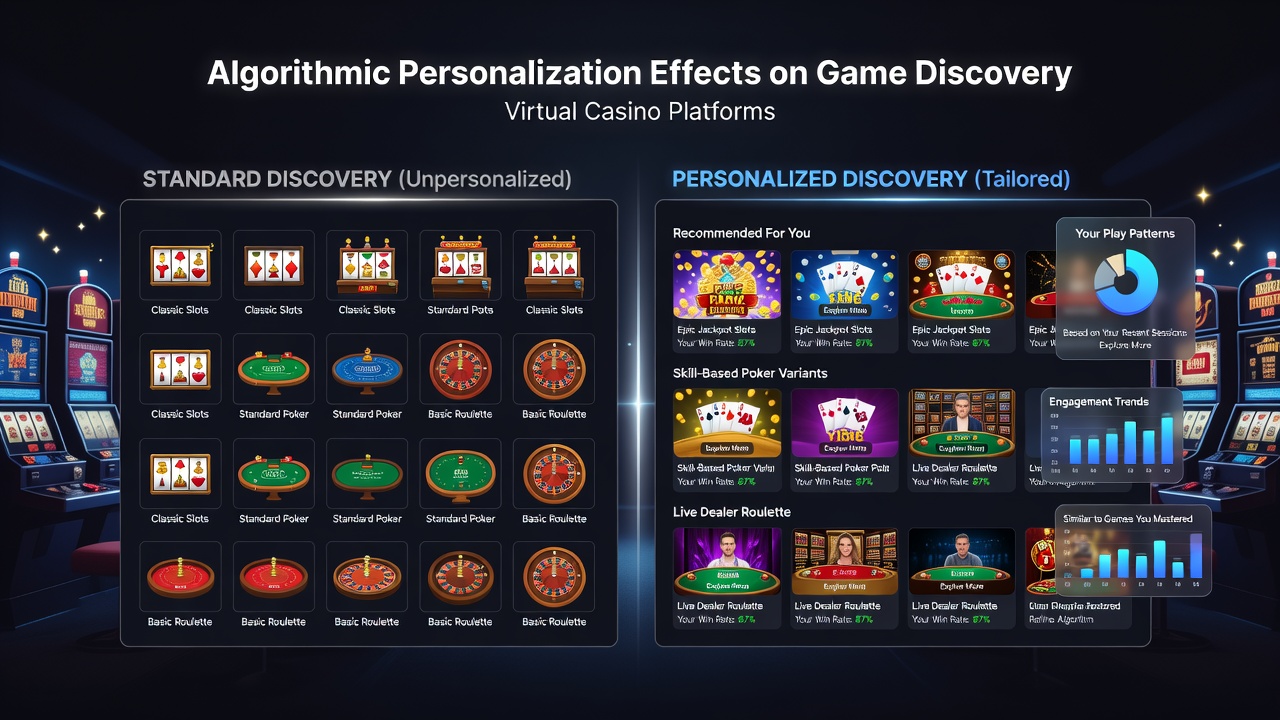
Virtual casino platforms have integrated algorithmic personalization systems that analyze player behavior patterns, session durations, and historical selections to suggest games tailored to individual preferences, and these mechanisms shape how users encounter new titles within expansive digital libraries. Data from multiple operators indicates that recommendation engines process inputs such as wager amounts, game categories explored, and time spent on specific mechanics to generate dynamic lists that appear on homepages and in-app notifications.
How Personalization Algorithms Operate in Casino Environments
Developers deploy machine learning models that categorize games by volatility levels, theme elements, and payout structures while cross-referencing these attributes against aggregated user profiles; platforms refine outputs through continuous feedback loops where click-through rates and play initiation metrics adjust future suggestions in real time. Research conducted by academic teams at institutions focused on digital entertainment has shown that collaborative filtering techniques, combined with content-based analysis, help surface titles that align with past interactions without requiring explicit user ratings.
Operators track additional signals including device types, geographic locations, and peak activity hours to further calibrate recommendations, which leads to variations in game visibility across different user segments. In June 2026 several major platforms reported that over 60 percent of game starts originated from algorithmic prompts rather than direct searches, according to internal metrics shared during industry conferences.
Impacts on Player Discovery Patterns
Personalized feeds increase exposure to niche variants such as specialized video slots or regional table game adaptations that might otherwise remain buried in large catalogs, and this effect appears consistently across markets where data collection practices comply with local privacy regulations. Observers note that players who engage with recommendation carousels tend to sample a broader range of game mechanics within shorter timeframes compared to those relying solely on manual browsing.
One documented case involved a European operator that introduced a hybrid algorithm blending popularity rankings with individual history, resulting in measurable upticks in engagement for mid-tier titles that previously received limited traffic. Figures from platform dashboards reveal that discovery of lesser-known providers rose by approximately 22 percent following such implementations, based on session logs collected through early 2026.
Data Sources and Industry Metrics
Industry associations such as the American Gaming Association compile quarterly reports that track technology adoption rates among licensed operators, highlighting how personalization tools correlate with session extension patterns in regulated jurisdictions. Canadian regulatory bodies including the Alcohol and Gaming Commission of Ontario have released summaries indicating that platforms must maintain transparency logs detailing how algorithms influence game ordering to ensure compliance with fairness standards.
University-led studies examining digital gaming ecosystems have quantified shifts in exploration behavior, finding that users presented with personalized options complete an average of 1.8 additional game trials per session than control groups exposed to static listings. These patterns hold across multiple datasets gathered from North American and Australian markets where igaming frameworks permit detailed behavioral tracking.
Regulatory Considerations Across Regions
Government agencies in various jurisdictions require operators to disclose the role of automated systems in content presentation, which has prompted development of audit protocols that verify recommendation neutrality and prevent undue emphasis on specific providers. In regions with mature frameworks, such as parts of Europe and Australia, compliance documentation now includes sections on algorithmic governance that detail data inputs and output validation procedures.
Platforms operating in multiple territories adapt their personalization layers to satisfy differing requirements, resulting in segmented recommendation models that apply stricter filters in markets with heightened oversight. Reports issued through mid-2026 demonstrate that these adaptations maintain discovery efficiency while aligning with regional rules on responsible presentation of gaming options.
Conclusion
Algorithmic personalization continues to influence game discovery pathways on virtual casino platforms through layered data processing that matches content attributes to observed behaviors, and ongoing developments in machine learning techniques suggest further refinement of these systems in coming periods. Metrics collected by operators and analyzed by research groups provide concrete evidence of expanded title sampling alongside structured compliance measures that vary by regulatory environment. Industry reports from associations and academic sources document measurable changes in engagement distribution that stem directly from these technological implementations.