Wearable Fitness Integrations Crafting Bespoke Sportsbook Promotions on Mobile Platforms
Ulrich Walter · Jul 25, 2026
Wearable Fitness Integrations Crafting Bespoke Sportsbook Promotions on Mobile Platforms
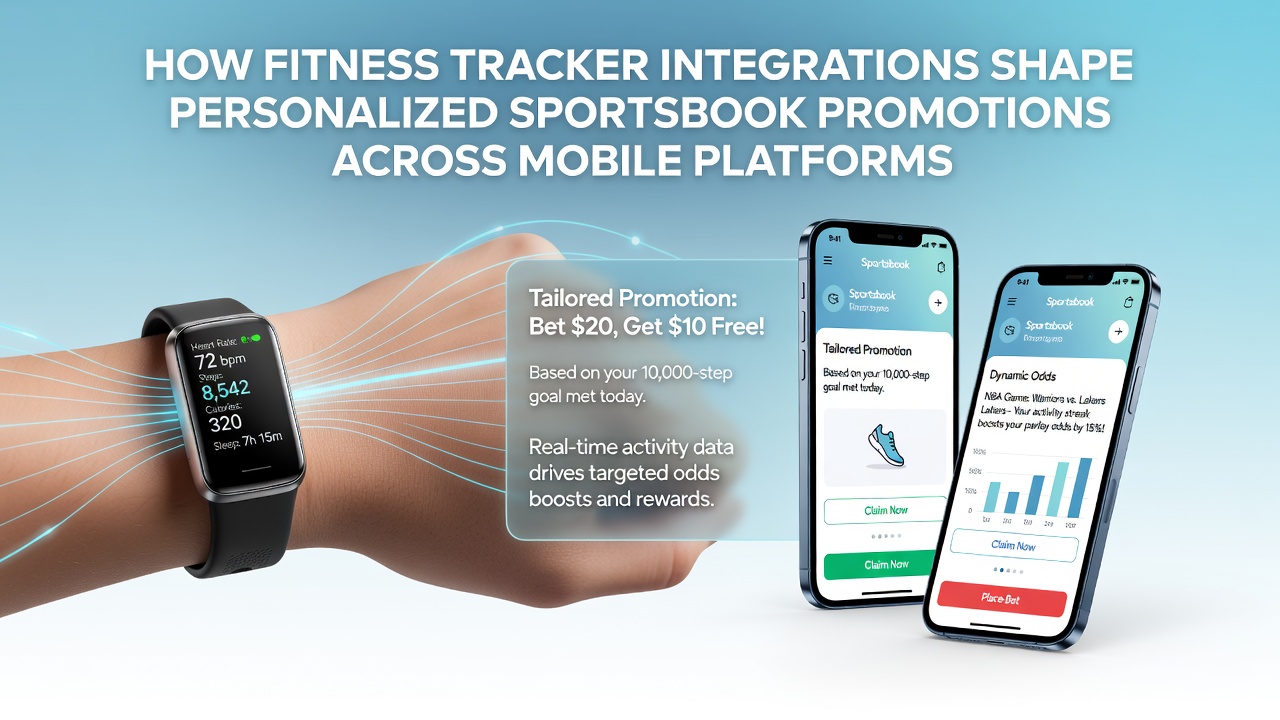
Activity monitors from major brands now connect directly to sportsbook applications on smartphones, allowing operators to adjust offers according to verified movement and health metrics collected throughout the day. These integrations pull step counts, heart rate zones, and sleep patterns from devices such as Apple Watch and Garmin models, then feed the information into backend algorithms that determine eligibility for tailored bonuses, deposit matches, and free bet credits. In July 2026 industry observers noted expanded testing of these systems across several North American and European operators, with data flows occurring through secure APIs that maintain user consent standards set by regional data protection rules.
Data Flows Between Devices and Betting Platforms
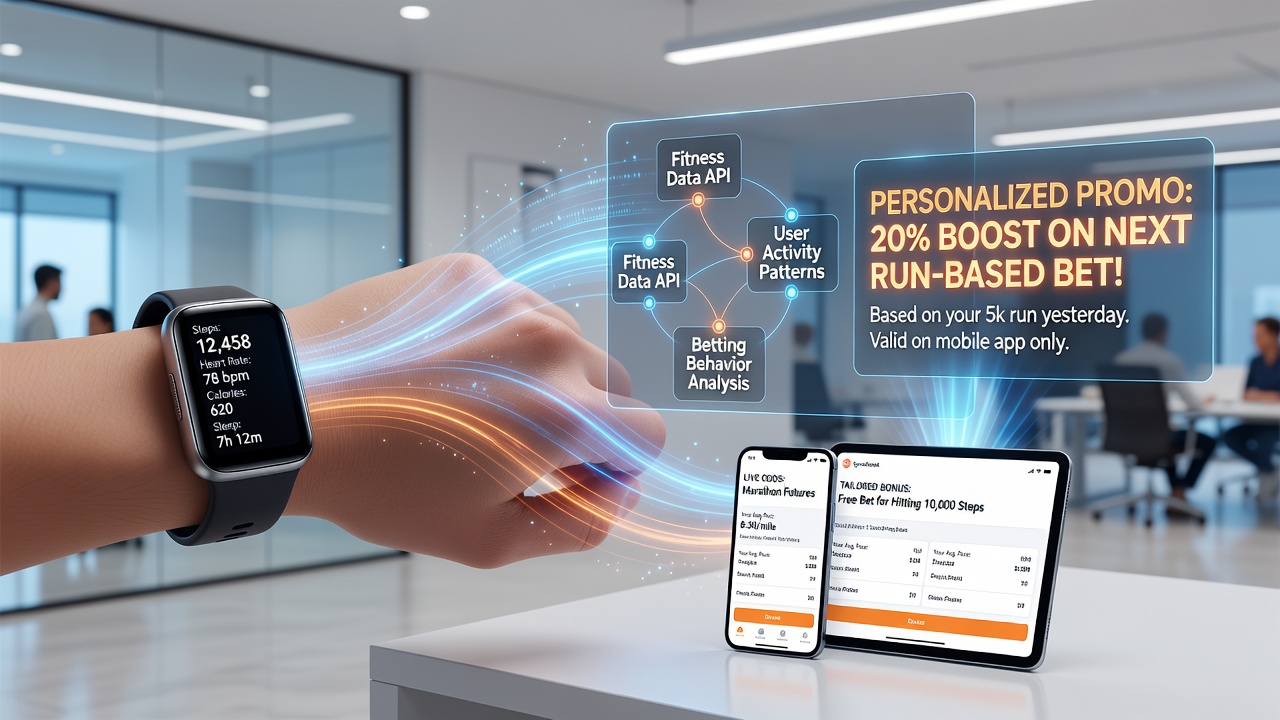
Operators receive anonymized summaries rather than raw health records, yet the summaries still permit segmentation of users into activity tiers that trigger different promotional structures. A user logging consistent daily steps above a defined threshold might receive an increased cashback percentage on losses, whereas another with lower recorded activity sees standard offers instead. Research from academic groups tracking digital engagement patterns shows that such segmentation increases session frequency when the reward structure aligns with measurable personal milestones, and multiple platforms now embed these options within their loyalty modules. The process relies on OAuth-style authorizations that users grant once, after which daily syncs update the promotional dashboard without additional manual input.
Regional Examples of Implementation
One major operator based in the United States introduced a program that converts verified weekly activity minutes into loyalty points redeemable at the sportsbook, with the conversion rate published in the app's terms and updated monthly. Australian platforms have tested similar linkages, tying heart-rate recovery data to risk-profile adjustments that influence the size of available accumulator bonuses. European operators, operating under frameworks from the Malta Gaming Authority, require explicit opt-in screens and periodic re-consent prompts before any fitness data influences marketing parameters. These examples illustrate how the same technical capability adapts to distinct regulatory environments while preserving the core mechanic of activity-based personalization.
Technical and Security Considerations
Secure data pipelines use end-to-end encryption during transmission from the wearable device to the operator's servers, and most platforms store only aggregated scores rather than individual readings. Independent audits conducted by firms specializing in gaming technology confirm that fitness integrations do not expose betting histories to device manufacturers, maintaining separation between the two data domains. Updates released in mid-2026 introduced additional tokenization layers that further reduce the risk of cross-platform correlation, a step taken in response to feedback from cybersecurity reviews. Developers continue to refine latency so that activity updates appear in the promotions tab within seconds of a sync completing on the user's phone.
Impact on User Engagement Metrics
Platform reports released through industry associations indicate measurable lifts in retention among cohorts that activate fitness linkages compared with control groups that do not. Retention curves extend further when promotions refresh daily based on the previous day's movement totals, creating a feedback loop that encourages repeated app opens. Observers at research institutions studying digital leisure note that these loops function similarly to other gamified health applications, though the stakes involve monetary wagering rather than virtual badges alone. The effect appears consistent across both iOS and Android environments, with cross-device continuity handled through cloud-based user profiles.
Future Developments and Regulatory Outlook
Additional sensors entering consumer wearables, including continuous glucose monitors and advanced recovery scores, may soon feed into the same personalization engines. Regulators in multiple jurisdictions continue to examine whether activity-linked promotions constitute inducements that require extra safeguards, and several working groups have scheduled consultations for late 2026. Operators meanwhile refine consent interfaces to present clearer explanations of how fitness data shapes offers, aiming to sustain user trust while complying with evolving standards. Partnerships between device makers and betting platforms are expected to expand, with new API specifications under discussion that would allow finer-grained control over which metrics operators may access.
Conclusion
Fitness tracker integrations have established a measurable pathway for delivering differentiated sportsbook promotions on mobile devices, supported by secure data handling and region-specific compliance measures. Continued technical refinement and regulatory scrutiny will shape how widely these systems deploy in coming quarters, yet the underlying architecture already demonstrates functional personalization grounded in verified user activity.